Key Takeaways
- Mild tooth sensitivity after a professional cleaning can be normal, especially when significant tartar buildup has been removed.
- Gum recession and exposed tooth roots can make sensitivity to hot, cold, or pressure more noticeable after cleaning.
- Deep cleaning may cause more temporary tenderness than a routine cleaning because treatment reaches below the gumline.
- Continue brushing gently with a soft-bristled toothbrush rather than avoiding sensitive areas and allowing plaque to accumulate.
- Toothpaste designed for sensitive teeth may help reduce discomfort when used consistently according to product directions.
- Persistent sensitivity in one tooth could indicate decay, a crack, gum problems, or another condition that needs evaluation.
- Contact your dentist if pain becomes severe, worsens, lasts longer than expected, or occurs with swelling or pain when biting.
You leave the dentist with smooth, freshly cleaned teeth, but later you notice something unexpected. Cold water makes a tooth sting. Breathing in cool air feels uncomfortable. Your gums may even feel a little sore when you brush that night.
Tooth sensitivity after a professional dental cleaning can happen, especially if you had a lot of plaque or tartar buildup before the appointment. In many cases, the discomfort is temporary and improves as your teeth and gums settle down. However, sensitivity can sometimes point to another dental problem that needs attention.
Knowing what is normal can help you avoid unnecessary worry while also recognizing when you should call your dentist. The cause, severity, location, and length of the discomfort all matter.
Here is what you should know about sensitive teeth after a dental cleaning, including why it happens, how long it may last, what you can do at home, and which symptoms should not be ignored.
Why Can Teeth Feel Sensitive After a Cleaning?
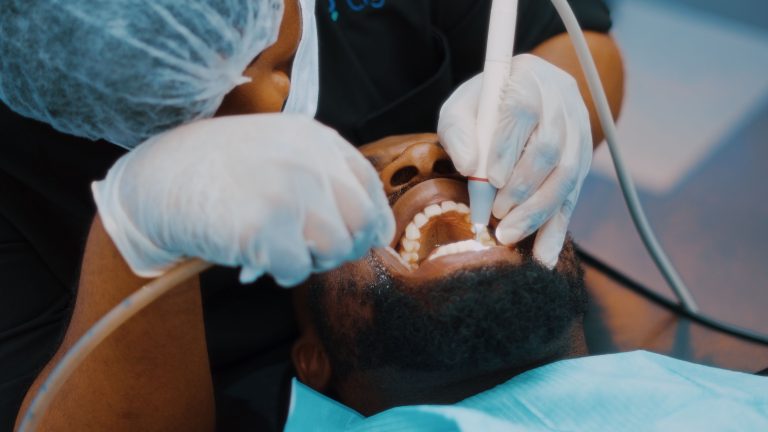
A professional cleaning removes plaque and hardened tartar from the surfaces of your teeth and around the gumline. Depending on your oral health and the type of cleaning you need, dental professionals may use specialized instruments to remove these deposits.
If tartar has built up near the gumline, removing it may expose areas that were previously covered. These areas can temporarily react more strongly to cold drinks, hot foods, air, or pressure.
Several factors can contribute to sensitivity, including:
- Heavy plaque or tartar buildup
- Existing gum recession
- Exposed tooth roots
- Inflamed gums
- Existing enamel wear
- Previous tooth sensitivity
The cleaning itself does not necessarily create a new dental problem. Instead, it may make an existing sensitive area more noticeable once deposits have been removed.
How Much Sensitivity Is Usually Normal?

Mild sensitivity that begins shortly after a dental cleaning is often temporary. You might notice a quick, sharp feeling when drinking something cold or when brushing near the gumline.
Temporary gum tenderness may also occur, particularly if your gums were inflamed before the cleaning or if significant buildup had to be removed.
Common short-term symptoms may include:
- Mild sensitivity to cold
- Brief sensitivity to heat
- Tender gums
- Minor discomfort while brushing
- Slight sensitivity when eating certain foods
The key is that the discomfort should generally be manageable and improve rather than become progressively worse.
Severe, constant, throbbing, or increasing pain should not automatically be blamed on a recent cleaning. Those symptoms may need further evaluation.
How Long Can Sensitivity Last?
There is no exact timeline that applies to every person. Mild sensitivity may improve fairly quickly, while people with gum recession, exposed roots, or significant previous buildup may notice symptoms for longer.
Pay attention to the direction the symptoms are moving. Sensitivity that becomes less noticeable over time is generally less concerning than discomfort that remains intense or gets worse.
Track factors such as:
- When the sensitivity started
- Which teeth are affected
- What triggers it
- How long each episode lasts
- Whether symptoms are improving
If sensitivity continues longer than your dentist told you to expect, contact the dental office. Your dentist can determine whether the discomfort is related to exposed roots, cavities, cracks, gum problems, or another condition.
Why Tartar Removal May Reveal Sensitive Areas
Tartar, also called dental calculus, is hardened plaque that cannot be removed through normal brushing alone. It can build up along and sometimes below the gumline.
When tartar surrounds an area near an exposed root, removing the buildup may leave that surface more exposed to temperature changes. This does not mean tartar was protecting the tooth in a healthy way. Tartar contributes to gum inflammation and should be professionally removed.
After cleaning, you may notice:
- More space between certain teeth
- A different feeling near the gumline
- Increased temperature sensitivity
- Smoother tooth surfaces
- Temporary gum tenderness
These changes can be surprising if a large amount of buildup was present.
Maintaining regular dental care may help prevent heavy deposits from accumulating again, making future cleanings easier in many cases.
Gum Recession Can Make Sensitivity More Noticeable
Your tooth crown is covered by enamel, which is a very hard protective material. Tooth roots do not have the same enamel covering. When gums recede and expose root surfaces, those areas may become sensitive.
Gum recession can develop for several reasons. Gum disease, aggressive brushing, tooth position, and other factors may contribute.
Signs of possible recession include:
- Teeth appearing longer
- Visible root surfaces
- Sensitivity near the gumline
- Changes in the gumline
- Notches near exposed roots
A dental cleaning may make existing root sensitivity more noticeable after tartar is removed.
If recession is present, your dentist can help identify possible causes and recommend ways to protect the exposed areas.
Deep Cleaning May Cause More Tenderness
Not every dental cleaning is the same. A routine preventive cleaning differs from scaling and root planing, sometimes called a deep cleaning, which may be recommended for certain patients with gum disease.
Deep cleaning involves removing deposits from below the gumline and cleaning root surfaces. Because treatment reaches deeper areas, temporary tenderness or sensitivity may be more noticeable afterward.
After a deep cleaning, follow the instructions provided by your dental team. Recommendations may include:
- Brushing gently
- Cleaning between teeth as directed
- Following specific eating instructions
- Using recommended oral care products
- Attending follow-up appointments
Contact the dental office if pain becomes severe, swelling increases, bleeding seems excessive, or you experience symptoms that concern you.
Your dentist can tell you what to expect based on the treatment you received.
Can a Cavity Cause Sensitivity After Cleaning?
Sometimes sensitivity that appears after a cleaning is not actually caused by the cleaning. A cavity may already have been developing before the appointment.
Tooth decay can make a tooth sensitive to cold, heat, sweets, or pressure. Symptoms depend on the location and extent of the decay.
Possible signs of a cavity may include:
- Sensitivity in one specific tooth
- Pain when eating sweets
- Pain when biting
- Visible discoloration or a damaged area
- Persistent toothache
Not every cavity causes noticeable symptoms, which is one reason regular dental examinations are important.
If one tooth becomes much more sensitive than the others or discomfort continues, tell your dentist exactly where you feel it and what triggers the sensation.
Cracked Teeth Can Also Cause Sharp Pain
A crack in a tooth can sometimes cause sudden, sharp pain that may seem similar to sensitivity. The discomfort may occur when biting, releasing a bite, or exposing the tooth to temperature changes.
Cracks can be difficult to identify without a dental examination because some are very small or located where they are not easy to see.
Possible symptoms include:
- Sharp pain while chewing
- Pain when releasing a bite
- Sensitivity to cold
- Intermittent discomfort
- Pain focused on one tooth
If you experience these symptoms after a cleaning, do not assume the cleaning cracked the tooth. The problem may have already existed and simply become noticeable around the same time.
A dentist can evaluate the tooth and recommend treatment based on the type and extent of the crack.
Pregnancy Can Affect the Gums
Hormonal changes during pregnancy can affect how the gums respond to plaque. Some pregnant patients notice increased gum tenderness, swelling, or bleeding, which may influence how the mouth feels during and after dental care.
Maintaining dental health during pregnancy is important because routine oral hygiene and appropriate professional dental care can help manage plaque and gum inflammation. Tell your dentist that you are pregnant so your dental team can consider your individual needs when planning care.
Helpful habits generally include:
- Brushing thoroughly but gently
- Cleaning between teeth regularly
- Attending recommended dental visits
- Reporting unusual swelling or pain
- Discussing oral health concerns with your dentist
Do not avoid necessary dental care simply because you are pregnant without discussing it with your dental and medical professionals.
They can provide guidance based on your stage of pregnancy, health history, and the type of treatment being considered.
How to Manage Mild Sensitivity at Home
If your sensitivity is mild and your dentist has not given you different instructions, gentle oral care can help while your mouth settles after cleaning.
Continue brushing rather than avoiding sensitive areas completely. Allowing plaque to build up can irritate the gums and create additional oral health problems.
Helpful steps may include:
- Using a soft-bristled toothbrush
- Brushing with gentle pressure
- Using toothpaste made for sensitive teeth
- Avoiding extremely hot or cold foods temporarily
- Following your dentist’s instructions
Some sensitivity toothpastes need repeated use before providing noticeable improvement. Follow the product directions rather than applying excessive amounts.
If your dentist recommended a specific toothpaste, rinse, or other product, follow those instructions.
Avoid Brushing Too Hard
Scrubbing harder does not necessarily clean teeth better. Aggressive brushing may irritate the gums and contribute to wear in certain areas over time.
Use gentle pressure and small, controlled movements. A soft-bristled toothbrush is appropriate for many people, although your dentist may provide recommendations based on your needs.
To improve your technique:
- Use gentle pressure
- Brush all tooth surfaces
- Clean along the gumline carefully
- Brush for the recommended amount of time
- Replace worn toothbrushes or brush heads
If your toothbrush bristles quickly become flattened or spread outward, you may be pressing harder than necessary.
Ask your dentist or dental hygienist to demonstrate proper brushing technique if you are unsure.
Should You Avoid Cold Foods After a Cleaning?

You generally do not need a special diet after a routine cleaning unless your dental professional gives you specific instructions. However, temporarily avoiding foods and drinks that trigger sensitivity may make you more comfortable.
Very cold drinks, ice cream, hot beverages, acidic foods, or sweets may cause discomfort in some people.
For a short period, you might prefer:
- Room-temperature water
- Mild foods
- Softer foods if gums are tender
- Less acidic choices
- Foods that do not trigger sensitivity
Diet recommendations can differ after certain treatments, such as deep cleaning or fluoride applications.
Follow the instructions from your dental office because they are based on the specific treatment you received.
When Is Sensitivity Not Normal?
Sensitivity deserves more attention when it is severe, persistent, worsening, or associated with other symptoms.
Pain that happens without an obvious trigger can be particularly important to report. The same is true for pain that lingers long after contact with something hot or cold.
Call your dentist if you experience:
- Severe tooth pain
- Increasing pain
- Significant swelling
- Pain when biting
- Persistent sensitivity in one tooth
- Fever or other signs of illness
Seek prompt professional care for facial swelling, difficulty swallowing or breathing, or other severe symptoms.
Do not rely only on pain medication to repeatedly cover symptoms without determining why they are occurring.
What Will a Dentist Check?
If sensitivity does not improve, your dentist may ask detailed questions about the symptoms and examine the affected teeth and gums.
Be specific when describing what you feel. Knowing whether cold, heat, sweets, brushing, or biting triggers the discomfort can provide useful information.
The evaluation may involve checking for:
- Tooth decay
- Cracks
- Gum recession
- Exposed roots
- Bite-related problems
- Gum inflammation
Dental imaging or other tests may sometimes be appropriate depending on the symptoms.
Treatment depends on the cause. Options may range from sensitivity products and fluoride treatments to fillings, gum treatment, or other dental procedures.
How to Reduce Sensitivity in the Future
Preventing every case of tooth sensitivity is not always possible, but consistent oral care can reduce several common risk factors.
Brush regularly using an appropriate technique and clean between your teeth as recommended. Attend routine dental visits based on the schedule your dentist recommends.
Good habits include:
- Brushing gently twice a day
- Cleaning between teeth regularly
- Limiting frequent exposure to acidic foods and drinks
- Addressing tooth grinding if present
- Keeping regular dental appointments
Tell your dental team if you have experienced sensitivity in the past. They may be able to adjust recommendations or suggest products suited to your needs.
Regular care also allows cavities, gum problems, and other concerns to be identified before they become more serious.
Know When to Give It Time and When to Call
Mild tooth sensitivity after a dental cleaning can happen, especially when significant tartar was removed or when exposed roots and gum recession were already present. The discomfort should generally become easier to manage rather than progressively worse.
Pay attention to where the sensitivity occurs, what triggers it, and whether it is improving. Continue gentle brushing and follow any aftercare instructions provided by your dental team.
Remember these basic guidelines:
- Mild temporary sensitivity can occur
- Gentle brushing remains important
- Sensitive toothpaste may help some people
- Worsening symptoms deserve attention
- Severe pain should not be ignored
- Persistent problems should be evaluated
A professional cleaning is an important part of preventive dental care, and temporary sensitivity does not necessarily mean something went wrong.
However, you know when your mouth feels different from normal. If sensitivity is severe, lasts longer than expected, or occurs with swelling, biting pain, or other concerning symptoms, contact your dentist. A dental examination can determine whether you simply need more time to recover or whether another oral health problem needs treatment.
About the Author