A smile is often one of the first things people notice, but its importance goes far beyond appearance. Healthy teeth and gums support everyday activities such as eating comfortably, speaking clearly, and maintaining overall wellness. When oral health issues are left unaddressed, even minor concerns can slowly affect confidence, comfort, and quality of life.
Modern dental care focuses on prevention, restoration, and enhancement rather than simply reacting to pain. Advances in materials, techniques, and patient education now allow treatments to be more conservative and longer-lasting. Care can also be better tailored to individual needs. This shift helps patients maintain natural tooth structure whenever possible while still achieving functional and aesthetic improvements.
Understanding common dental treatments empowers patients to make informed decisions. When people know why a procedure is recommended and how it fits into a long-term plan, they are more likely to follow through with care and maintain results. Education also reduces anxiety. It helps patients approach treatment with realistic expectations instead of uncertainty.
This article explores widely used dental treatments that restore function and enhance smiles. Each section focuses on practical considerations, recovery insights, and maintenance tips to help readers better understand how these options contribute to long-term oral health.
Why Preventive Care Is the Foundation of a Healthy Smile
Preventive care is one of the most effective ways to protect a smile over time. Many oral health issues develop gradually. Often, there are no noticeable symptoms in the early stages. Regular professional care allows problems to be detected early, when they are easier and less costly to manage.
A routine dental cleaning, also called prophylaxis, removes plaque (a soft, sticky bacteria film) and tartar (hardened plaque) that cannot be eliminated through brushing and flossing alone. These deposits tend to accumulate in hard-to-reach areas, especially near the gumline. If left untreated, they can contribute to gum inflammation, tooth decay, and persistent bad breath. Professional cleanings help reset oral health by creating a clean surface that is easier to maintain at home.
Seeing a dentist regularly also provides valuable continuity. Subtle changes such as gum recession, enamel thinning, or recurring irritation can be monitored over time. This allows for personalized recommendations instead of one-size-fits-all advice.
Patients can make the most of preventive visits by being proactive, including:
- Mentioning sensitivity, bleeding, or discomfort, even if it seems minor
- Asking for technique adjustments based on brushing habits
- Discussing dietary habits that may affect oral health
- Following recommendations for home care tools
Preventive care supports other treatments by maintaining oral stability. When the foundation is healthy, restorative and cosmetic treatments tend to last longer. They also perform better.
Treating Tooth Decay Early to Preserve Natural Teeth
Tooth decay often begins quietly, making early treatment essential. Small cavities may not cause pain right away, but they can weaken tooth structure over time. Addressing decay early helps preserve natural teeth and reduces the likelihood of more invasive procedures later.
Dental fillings—materials such as composite resin or amalgam used to repair teeth—are commonly used to restore areas affected by decay or minor fractures. Fillings replace damaged material while sealing the tooth against bacteria. When decay is treated promptly, the surrounding tooth remains stronger and more resilient.
Early warning signs that decay may be developing include:
- Sensitivity to hot, cold, or sweet foods
- Mild discomfort when chewing
- Visible discoloration or rough spots
After treatment, maintenance plays a significant role in longevity. Patients can help protect restorations by:
- Brushing gently but thoroughly twice daily
- Limiting frequent snacking on sugary or acidic foods
- Drinking water after meals to neutralize acids
- Wearing a night guard if grinding is present
Treating decay early helps maintain natural tooth structure, which is always preferable when possible. It also minimizes the risk of infection and supports overall oral stability.
Repairing Damaged Teeth Without Full Replacement
Teeth can become weakened by trauma, decay, or large restorations. When a tooth no longer has sufficient strength to handle normal biting forces, reinforcement may be necessary to prevent further damage.
Dental crowns, also called caps, are custom-made coverings that protect compromised teeth by encasing them entirely. This restores strength, shape, and function while keeping the tooth in place. When properly fitted, crowns blend naturally with surrounding teeth and support long-term use.
Before proceeding, patients should understand:
- Why reinforcement is recommended instead of removal
- How the restoration may affect bite alignment
- What materials are available, and how they perform
Maintaining reinforced teeth involves daily care and mindful habits, such as:
- Avoiding chewing ice or hard objects
- Maintaining consistent oral hygiene around the gumline
- Reporting changes in bite or discomfort promptly
Reinforcing damaged teeth helps preserve natural structure and maintain a functional, balanced smile.
Knowing When Tooth Removal Is the Right Choice
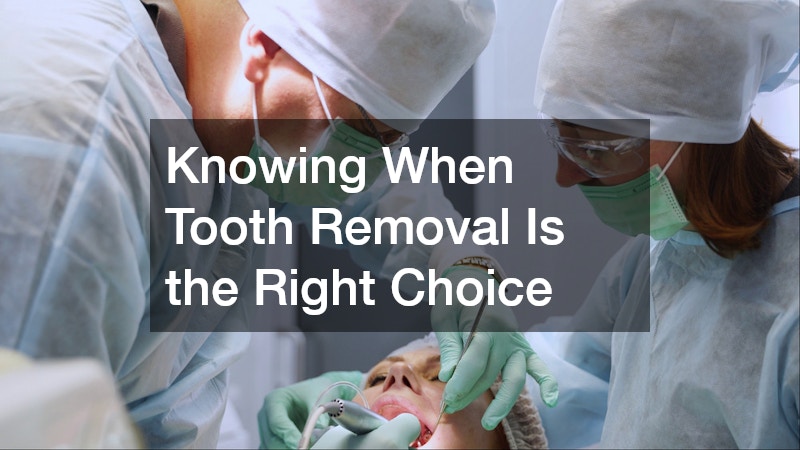
Preserving natural teeth is usually the preferred goal, but there are situations where removal becomes the healthiest option. When a tooth is severely damaged, infected, or affecting surrounding teeth, keeping it may cause more harm than benefit. In these cases, removal can relieve pain, stop infection, and protect overall oral health.
Tooth extractions are commonly recommended when decay reaches deep into the tooth’s structure, when trauma causes irreparable damage, or when overcrowding interferes with alignment. In some cases, removal is also part of a larger treatment plan designed to create space or prepare for restorative work.
Preparation plays a key role in comfort and recovery. Patients are typically advised to:
- Follow all pre-procedure instructions carefully
- Share medical history and medications ahead of time
- Arrange time for rest after the procedure
Recovery depends heavily on aftercare. Protecting the site helps reduce complications and speeds healing. Helpful practices include:
- Avoiding smoking, straws, or vigorous rinsing
- Eating soft foods during the initial healing phase
- Keeping the area clean without disturbing the clot
Although removal may sound intimidating, it often provides relief and prevents further complications. When performed for the right reasons and followed by proper aftercare, it supports long-term oral stability and comfort.
Replacing Missing Teeth for Strength and Stability
Missing teeth can affect more than appearance. Gaps in the smile can reduce chewing efficiency, alter speech patterns, and place added stress on surrounding teeth. Over time, untreated tooth loss may also contribute to jawbone deterioration and shifting of nearby teeth.
Dental implants—artificial tooth roots, usually made from titanium—are designed to replace missing teeth in a way that closely mimics the natural structure of teeth. By integrating with the jawbone (a process known as osseointegration), they provide stability that helps maintain proper alignment and bone density. This foundation allows replacement teeth to function comfortably during everyday activities.
Patients considering this option should understand the process and commitment involved. Key considerations include:
- Having sufficient bone to support placement
- Allowing adequate healing time between stages
- Maintaining excellent oral hygiene after completion
Long-term success depends on daily habits and routine care. Patients are encouraged to:
- Clean carefully around the replacement area
- Avoid habits such as grinding or clenching
- Attend regular follow-up visits to monitor stability
Replacing missing teeth helps restore balance to the mouth. It improves function, protects surrounding teeth, and supports facial structure, making it a valuable long-term investment in oral health.
Straightening Teeth Discreetly and Effectively
Alignment issues can affect both the appearance and health of a smile. Crowded or crooked teeth are harder to clean thoroughly, increasing the risk of decay and gum problems. Correcting alignment can improve hygiene, comfort, and confidence.
Invisalign is a brand of orthodontic treatment that uses a discreet approach to straightening teeth with a series of clear, removable aligners. These aligners are plastic trays custom-made to fit the patient’s teeth. Because the trays are custom-made and gradually adjusted, they apply gentle pressure over time to guide teeth into better positions. Many patients appreciate the flexibility and minimal visibility of this option.
Consistency is essential for successful results. Patients are typically advised to:
- Wear aligners for the recommended number of hours daily
- Remove trays only for eating and cleaning
- Switch to new aligners on schedule
Daily habits play a significant role in treatment outcomes. Helpful practices include:
- Cleaning trays regularly to prevent buildup
- Avoiding sugary drinks while wearing aligners
- Storing trays properly when not in use
Clear aligner treatment requires commitment, but when used as directed, it can deliver predictable improvements without disrupting daily routines. Improved alignment not only enhances appearance but also supports long-term oral health.
Improving Smile Appearance Through Advanced Procedures

Some dental concerns require more advanced care to achieve lasting, functional results. These situations often involve structural issues that go beyond surface-level treatments and must be addressed carefully to protect long-term oral health.
Oral surgery may be recommended when impacted teeth, jaw alignment concerns, or severe structural problems are present. These procedures are often part of a broader treatment plan designed to create a stable foundation for future restorations. Proper planning ensures that each step supports healing and long-term success rather than creating temporary solutions.
Patients preparing for advanced procedures benefit from understanding the process and recovery expectations. Important preparation steps include:
- Discussing overall health and medications in advance
- Understanding how long recovery may take
- Planning for temporary dietary and activity adjustments
A cosmetic dentist plays a key role when appearance and function must be balanced. By coordinating aesthetics with structural care, results are designed to look natural while supporting everyday comfort. This approach helps ensure that improvements enhance the smile without compromising oral stability.
After advanced procedures, patients can support healing and results by:
- Following post-treatment instructions precisely
- Attending follow-up visits as recommended
- Avoiding habits that place excess stress on healing areas
When advanced treatments are approached thoughtfully, they can resolve complex concerns while enhancing both confidence and oral function.
Brightening Your Smile Safely and Effectively
A brighter smile is one of the most common aesthetic goals among patients. Discoloration can develop gradually due to dietary habits, lifestyle choices, or natural aging. While many options exist, safe and effective approaches focus on improving appearance without damaging enamel or increasing sensitivity.
Teeth whitening treatments vary in strength and application method. Professional guidance helps ensure that the chosen approach matches the type of staining present and the patient’s oral health condition. Some discolorations respond quickly, while deeper stains may require a more gradual approach.
Patients can extend and protect results by adopting supportive habits such as:
- Limiting coffee, tea, red wine, and dark-colored foods
- Rinsing with water after consuming staining substances
- Maintaining consistent brushing and flossing routines
It is equally important to avoid overuse. Excessive whitening can lead to sensitivity or uneven coloration. Appropriately spacing treatments helps maintain comfort while preserving enamel strength.
For best long-term results, patients should view smile brightening as part of an overall care routine rather than a one-time fix. When paired with healthy habits, whitening treatments can enhance appearance while supporting ongoing oral health.
Choosing the Right Treatments for Lasting Results

Restoring and enhancing a smile is not about chasing quick fixes but about making informed decisions that support long-term health and comfort. Each treatment serves a specific purpose, and the most successful outcomes come from understanding how these options work together over time.
A strong foundation built on preventive care allows restorative and aesthetic treatments to last longer and perform better. Addressing small concerns early, maintaining consistent hygiene, and following professional guidance all contribute to lasting results. Patients who take an active role in their care are often better equipped to protect their investment and avoid unnecessary complications.
Equally important is realistic expectation-setting. Understanding timelines, maintenance requirements, and lifestyle factors helps patients feel confident and prepared throughout their treatment journey. Clear communication and proactive care make it easier to adapt plans as needs change over time.
Modern dental care offers a wide range of solutions designed to improve both function and appearance. When approached thoughtfully, these treatments can support comfort, confidence, and oral health well into the future. A healthy smile is a long-term asset, and with the right combination of education, planning, and maintenance, it can continue to make a positive impact every day.
About the Author