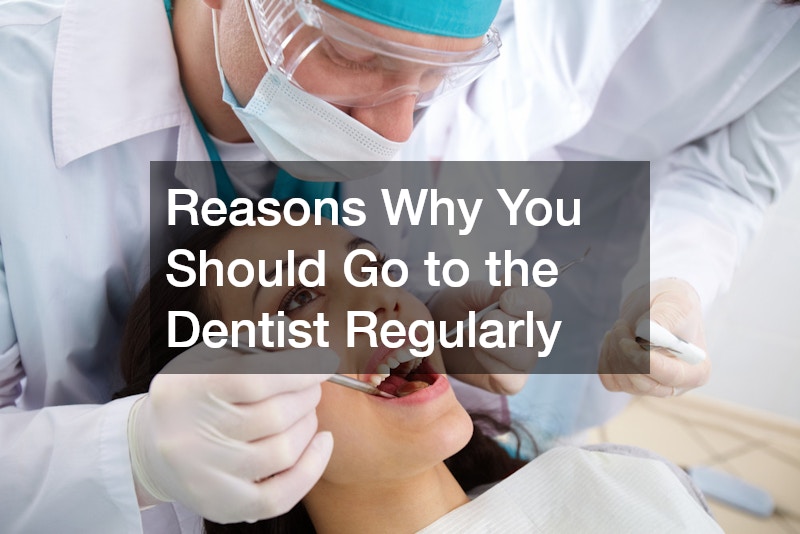
Visiting the dentist regularly is essential for maintaining optimal oral health. In today’s fast-paced world, dental health often gets overlooked, yet it remains a pivotal aspect of overall wellness. This article explores the importance of regular dental service and answers common questions regarding dental care, ensuring you are well-informed and proactive about your oral health.
How Often Should You Visit the Dentist?
The Standard Recommendation
The prevailing guideline for dental health suggests that a biannual visit to the dentist is beneficial. These regular visits are crucial for overseeing changes in your oral health that may not be immediately noticeable.
Dental professionals recommend this schedule as it facilitates early detection of potential issues, making treatment more straightforward.
Biannual appointments are tailored to catch signs of decay, gum disease, or even oral cancer at their earliest stages. During these visits, dentists can provide a comprehensive cleaning, which removes hard-to-reach plaque and tartar. Early intervention and professional cleaning are integral components in preventing long-term dental issues.
While twice-yearly visits are the standard, it’s essential to recognize that needs can vary greatly from one person to another. Pediatric patients and those with specific medical histories might require more frequent visits. Adapting the recommended schedule to one’s individual dental and health needs ensures the most effective care.
Individual Needs and Risk Factors
Dentistry acknowledges that each person’s needs are unique, and this is especially true when it comes to how frequently one should visit the dentist. Certain lifestyle choices, such as tobacco use or high sugar intake, can increase oral health risks, necessitating more frequent appointments. Additionally, those with chronic illnesses like diabetes may experience greater susceptibility to gum disease, impacting dental visit frequency.
Risk factors such as age, genetic predispositions, and even pregnancy can alter an individual’s oral health needs. Elderly patients may face more significant challenges with dry mouth or tooth wear, requiring professional guidance from their dentist. Engaging in open discussions with a dental professional allows for a personalized care plan that addresses these specific concerns.
Adapting visit frequency according to individual risk factors is a proactive approach. It ensures that all aspects of oral health, from cosmetic to functional, are meticulously monitored. Your dentist can offer tailored advice and interventions aimed at mitigating the effects of these risk factors.
Monitoring and Adjusting Your Schedule
Consistent communication with your dentist is essential for making informed decisions about your dental care frequency. Regularly revisiting your oral health condition with a dental professional helps you adapt your appointment schedule. This collaborative method acknowledges the dynamic nature of health and lifestyle changes over time.
By conversing openly with your dentist, you can address any new symptoms or changes you observe in your oral health. A dentist can offer recommendations on adjustments to your routine visits based on these observations. Such an approach allows preemptive measures to be taken, minimizing the impact of unforeseen dental health issues.
Incorporating flexibility into your dental appointment schedule ensures that your care is responsive to evolving needs. Monitoring health trends, like enamel wear or slight gum recession, makes it possible to act before these issues demand more invasive treatment. Your dentist’s guidance is a crucial factor in maintaining an effective, long-term oral health strategy.
What Happens During a Routine Dental Check-Up?
Examination of Your Oral Health
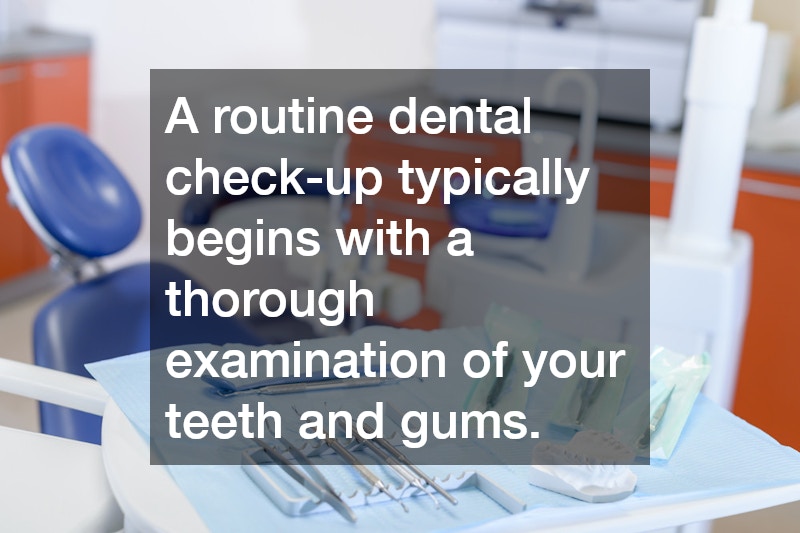
A routine dental check-up typically begins with a thorough examination of your teeth and gums. During this evaluation, the dentist assesses the condition of each tooth and checks for signs of decay or gum disease. Visual inspections are complemented by using diagnostic tools to ensure accurate assessments of your oral health.
The check-up also involves professional cleaning, which helps in removing plaque and tartar buildup that regular brushing may miss. This part of the visit helps in preventing cavities and maintaining gum health, both crucial to avoiding more significant dental issues. The cleaning procedure is followed by polishing, leaving your teeth smooth and shining.
Regular examinations also serve to monitor the progress of any previous dental work or interventions. A comprehensive check means any wear on fillings or implants is noted promptly. These appointments provide insights into your dental practices, helping refine them for optimal oral health outcomes.
Identifying Potential Issues Early
During your dental check-up, one of the key benefits is the early identification of potential dental issues. X-rays, for instance, can reveal problems that are not yet visible to the naked eye, such as impacted teeth or underlying decay. Early detection is crucial in managing problems effectively and preventing them from escalating.
By conducting early diagnosis, potential issues such as gum disease and cavities can be addressed before they progress into more severe conditions. Catching these problems early often means treatment is less invasive and more cost-effective. This proactive approach emphasizes the value of regular dental visits in safeguarding oral health.
Preventive measures are the cornerstone of a good dental care strategy. Regular check-ups allow for the formulation of targeted interventions, such as additional fluoride treatments or sealants for children. These efforts contribute significantly to reducing the likelihood of complex and painful treatments in the future.
Regular dental visits are pivotal not only for maintaining oral health but for contributing to overall well-being. These check-ups provide invaluable preventive benefits, identify potential issues early, and foster a partnership with dental professionals to create a sustainable health strategy. Readers are encouraged to consult with their dentists to ensure they are receiving the appropriate level of care tailored to their unique needs and to make use of these visits as investments in their health and quality of life.
About the Author